

### Blog Post:
Slipper chair demand is surging again in 2024, fueled by design-savvy city dwellers seeking smart, affordable statement seating. If you’re pondering whether to buy, restore, or flip a vintage slipper chair for your bedroom or small living nook, this hands-on guide breaks down real-world pricing, sourcing strategies, and restoration ROI—so you can make the best move for your space, budget, and style.
Key Takeaways
- Vintage slipper chairs typically resell for $400–$800 unrestored or $600–$1,200 reupholstered in 2024, with the market rising 10–15% year over year.
- Evaluating frame integrity, sizing, and reupholstery costs is crucial before buying—these factors determine comfort, fit, and future resale value.
- Strategic sourcing and styling make the slipper chair the ultimate small-space accent, whether you plan to keep, restore, or flip it.
- What is a slipper chair — and why it’s suddenly fashionable again
- 2024 market snapshot — how much vintage slipper chairs cost (original vs reupholstered)
- Why reupholster? Value, convenience, and resale upside
- Where to source authentic slipper chairs (online, local, estate sales)
- Common buyer & renovator pain points — what to inspect before you buy
- Reupholstery cost breakdown & ROI — what to expect to pay and what you can recoup
- Placement and styling tips for small spaces and bedrooms
- Step-by-step reupholstery checklist for the DIYer & what to outsource
- How to price and photograph a slipper chair for resale
- Quick decision cheat sheet — buy, flip, reupholster, or skip?
- FAQ
What is a slipper chair — and why it’s suddenly fashionable again
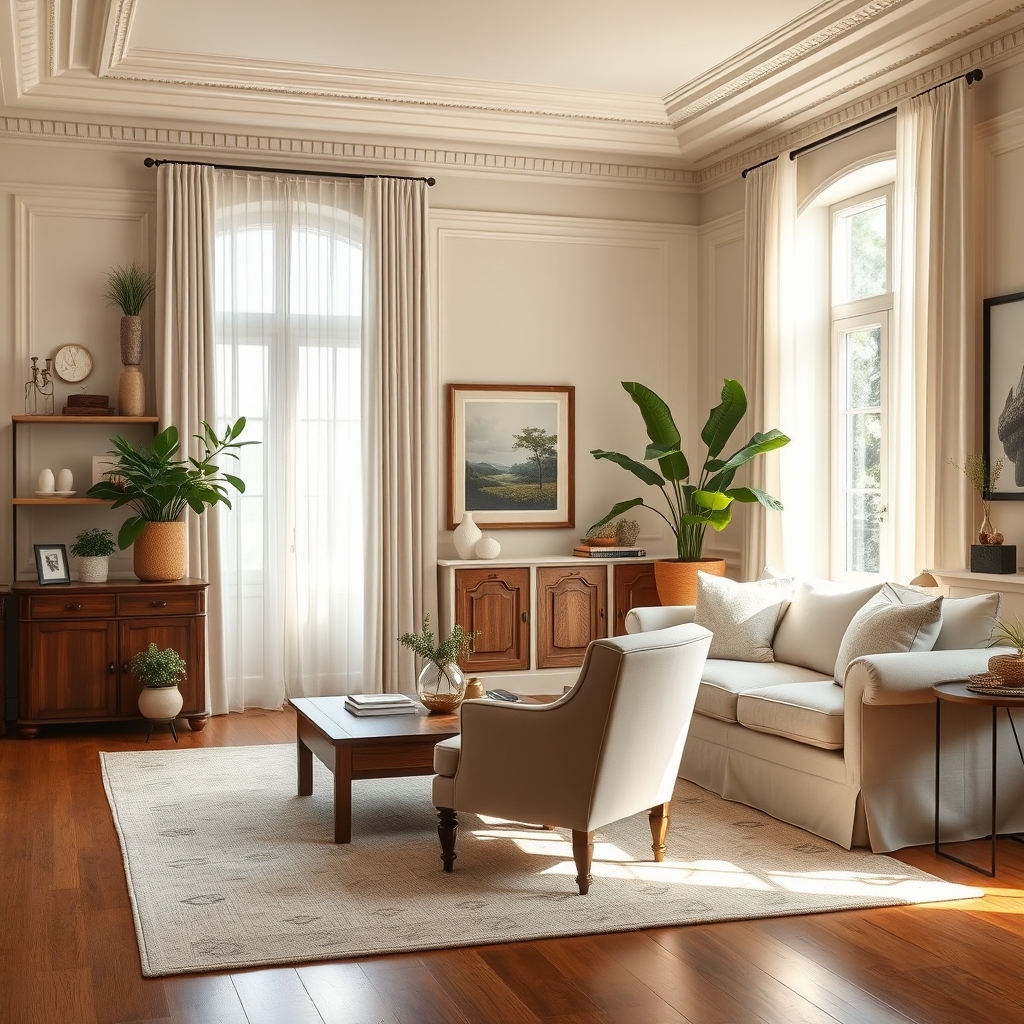
A slipper chair is a compact, low-seat, armless upholstered accent chair originally designed in nineteenth-century bedrooms—its low profile made it easy to “slip on” shoes (hence the name). Today, these chairs are highly desired for small living spaces, bedrooms, and reading nooks because they’re elegant, space-efficient, and easy to tuck almost anywhere. Their resurgence is driven by both designers and collectors who are now embracing the “low-profile, armless aesthetic” (Source).
Expect to find slipper chairs in a range of eras and styles, from mid-century modern to Hollywood Regency. Common variations include tufted versus plain backs, and finding a matching pair can command a premium. A typical slipper chair is smaller than you’d expect, often 28–32″ high by 22–24″ wide, with a lower-than-average seat height (14–17″).
2024 market snapshot — how much vintage slipper chairs cost (original vs reupholstered)
According to aggregated resale data, the price you’ll pay for a vintage slipper chair in 2024 depends on both originality and condition:
- Unrestored/vintage: $400–$800 is typical for solid vintage pieces in need of new fabric or minor touch-ups (Source).
- Reupholstered examples: $600–$1,200 for thoughtfully restored chairs—higher for sought-after designers or custom-quality fabric choices.
The market has grown 10–15% year-over-year as more platforms (like Chairish) spotlight these chairs. What drives the value? Key factors include:
- Maker or provenance (e.g., Adrian Pearsall or Dorothy Draper pieces command a premium)
- Frame condition and structure
- Original versus new upholstery
- Level of restoration (professionally reupholstered, replaced foam/springs, etc.)
- Fabric quality and contemporary relevance
You’ll pay top dollar for designer labels, original wood frames in excellent shape, and custom, on-trend reupholstering.
Why reupholster? Value, convenience, and resale upside
Reupholstering a slipper chair is about much more than looks—it’s an investment in comfort, longevity, and sometimes significant resale upside. Data from top resale sites shows that reupholstered slipper chairs outpace unrestored examples in both price and days-on-market, especially when the work is well executed (Source).
- Better comfort: Modern foam and new fabric lifts vintage chairs out of the “crunchy seat” danger zone.
- Resale ROI: Chairs you reupholster thoughtfully can net $200–$400 more at resale than originals, with higher demand.
- Style update: Bold or on-trend textiles can completely transform the visual appeal for today’s interiors (see more about mixing with skirted furniture here).
When does it not make sense? If the frame is badly cracked, a branded tag is missing, or restoration would exceed the $1,200 resale ceiling, sometimes selling as-is is the best move.
Where to source authentic slipper chairs (online, local, estate sales)
Finding the right vintage slipper chair for your space or resale business is part strategy, part luck. Here’s where savvy buyers shop—and what to look for:
- Chairish and other specialty online dealers: Highest selection and buyer protection. Look for clear interior, underside, and close-up photos, and check if foam and webbing have been replaced (Browse slipper chairs on Chairish).
- Estate sales: The best deals, especially for mid-century pairs. Go early and bring a tape measure.
- Local antique shops/thrift stores: Wider quality swing but massive deals possible. Minor flaws can work in your favor.
- Facebook Marketplace: Set alerts for “vintage slipper chair.” Message quickly, ask for condition details, and don’t be afraid to negotiate—especially for pairs or unstyled listings.
Negotiation advice: Use market data to justify your offer. For chairs needing full reupholstery, cite the average $400–$800 unrestored range (Source).
Common buyer & renovator pain points — what to inspect before you buy
Don’t let slipper chair style blind you to the basics. Before buying, run through this essential pre-purchase checklist:
- Frame integrity: Flip the chair and gently shake. Any play or creaking signals costly repairs.
- Springs and webbing: Push on the seat and listen for crunching or sagging. Old webbing is a common (DIY-fixable) culprit.
- Seat depth and comfort: Some armless accent chairs for small spaces look great but feel too upright or deep. Sit before you buy if possible—don’t assume all are cozy enough for a slipper chair bedroom setup.
- Cushion fill/foam: Hard, lumpy, or enormously compressed foam means full replacement. Factor this into your reupholstery budget.
- Size for your space: Measure available width/depth and compare to the listing details. Many are compact, but some have surprisingly wide footprints.
- Major red flags: Extensive mold, severe frame splits, or missing corner blocks are reasons to skip—even “free” can be expensive here.
The armless, low-profile design is perfect for small spaces, but structural and comfort checks matter—don’t discover major issues after you bring it home.
Reupholstery cost breakdown & ROI — what to expect to pay and what you can recoup
Here’s how the financial math usually works out if you want to restore and either keep or resell a vintage slipper chair:
| Cost Item | DIY Estimate | Pro Estimate |
|---|---|---|
| Fabric (3-5 yards) | $60–$200 | $120–$500 (designer/COM) |
| New foam & batting | $40–$80 | $40–$80 |
| Webbing/springs repair | $20–$50 | $75–$200 |
| Labor (upholstery) | Sweat equity | $250–$600 |
| Tufting or piping (optional) | $0–$40 | $75–$180 |
| Total Project | $120–$370 | $400–$1,500 |
A smartly reupholstered slipper chair can jump from $500 as-is to $900–$1,200 resale (see real examples). If labor and materials together exceed expected resale in your local market, consider DIY or pass on that project. For more detail on pricing ROI by upholstery technique, see our skirted furniture transformation guide.
Placement and styling tips for small spaces and bedrooms
An armless accent chair is, according to style trend coverage, “the perfect accent for small spaces” (Source)—but only if you measure correctly.
- Seat height: 14–17″ is typical. Lower seats feel more “loungey,” higher is better for reading or dressing.
- Seat width/depth: Most vintage slipper chairs are 22–24″ wide and 28–32″ deep; pair with a slim side table for best effect.
- Clearance: Allow at least 12″ to walls or other furniture for easy movement.
Styling ideas:
- Add a bold throw pillow or lumbar cushion for extra comfort and flair.
- Position next to a sleek floor lamp or bookshelf to define a reading nook.
- Combine with a skirted ottoman or ruffled pouf for visual variety; see our skirted furniture guide for pro pairings.
Whether as a slipper chair bedroom accent or a floating seat in a living area, the compact form means it won’t visually crowd even tight quarters.
Step-by-step reupholstery checklist for the DIYer & what to outsource
Successfully reviving a reupholstered slipper chair involves a clear, realistic process:
- Inspection: Assess frame, joints, webbing, and mold/odors. Only proceed on structurally sound candidates.
- Stripping: Carefully remove all fabric and save as a pattern. Take photos and organize fasteners.
- Frame repairs: Tighten screws, glue blocks, and repair as needed—or outsource cracked wood to a pro.
- Webbing/springs: Replace sagging materials. Use jute webbing and zigzag springs for best support.
- Foam/padding: Measure and cut high-resilience foam to fit (usually medium-firm 2–3″ thick works best).
- Fabric layout & sewing: Lay out new fabric using old pieces as templates, accounting for pattern repeat. Hand or machine sew as needed, then stretch and staple over frame.
- Finishing details: Add piping, tufting, or skirts if original style calls for it. These extras are best outsourced unless you have prior upholstery experience.
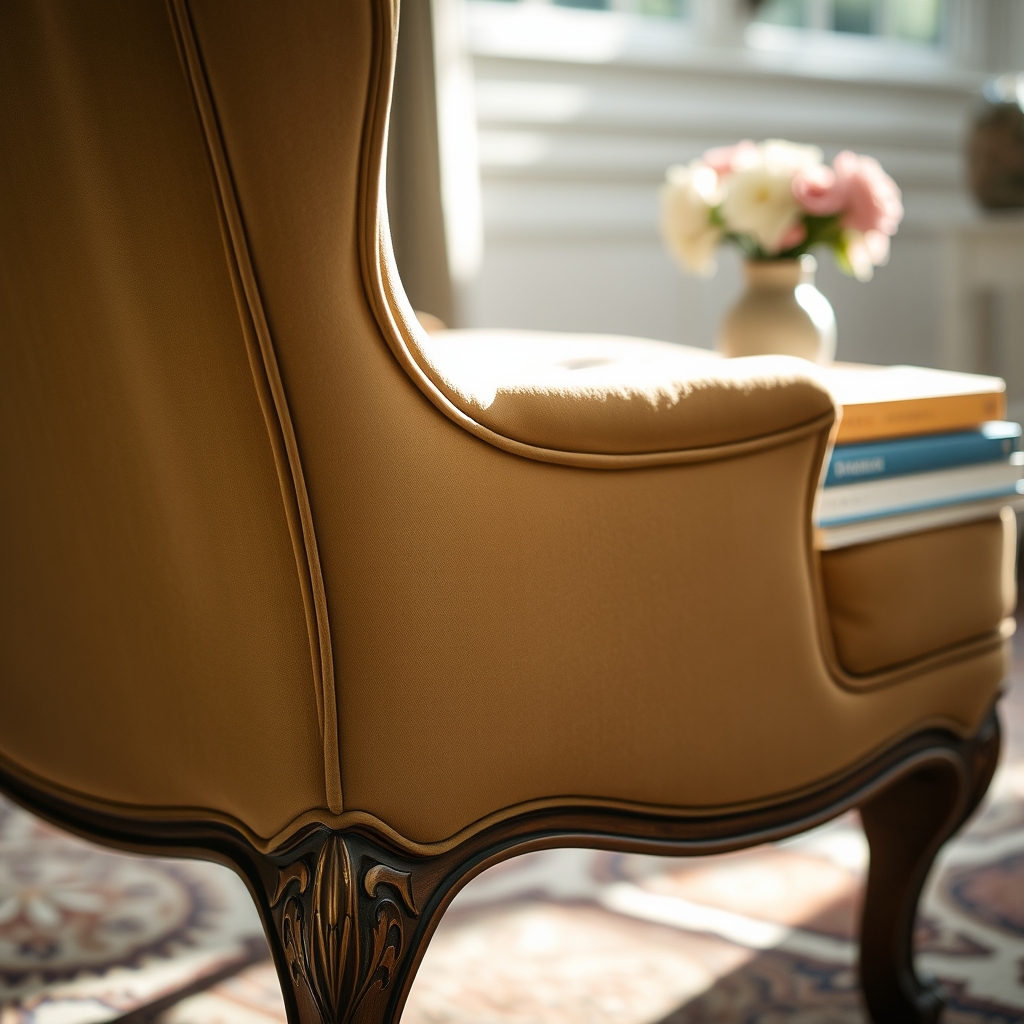
Many mid-century and antique chairs were intentionally engineered for multiple rounds of reupholstery (Source). DIYers can handle everything but major structure repairs, tufting, or complex welting.
Need a printable workflow or pre-purchase checklist? Download our 1-page insider’s guide here.
How to price and photograph a slipper chair for resale
Ready to flip your finished slipper chair—or just establish a fair price? Use your total investment and current market bands to set a confident number:
- Unrestored vintage: $400–$800, based on style and frame quality.
- High-quality reupholstered: $600–$1,200, proof of new materials and finish is essential (see real resale flips).
Photo essentials for listing:
- Multiple angles (front, side, rear, seat, and close-ups)
- Detail shots (underside, labels, legs/feet, piping, or tufting)
- Clear before/after if you restored or reupholstered
- Lighting: Use daylight near a window, and stage with a simple rug or floor for contrast
Choosing a platform:
- Chairish and similar: Best for designer, fully restored, or labeled brands—these fetch a premium and sell faster.
- Facebook Marketplace: Move average finds or projects swiftly, especially for local pickup.
- Consignment stores: Consider for hard-to-ship pieces or if you want expert pricing support.
Professional photos pay for themselves at the top of the market. For more resale tips in styling, see our curved sofa listing guide or our post on skirted furniture ROI.
Quick decision cheat sheet — buy, flip, reupholster, or skip?
Here’s a one-page rule summary every city dweller or aspiring reseller should use when sizing up a vintage slipper chair:
- Buy as-is if: Structure is solid, fabric is passable, cost is $400–$800, and you’re happy with its current look—no DIY hassle.
- Buy to flip if structure is good, fabric is dated but cleanable, and you can get the chair under $600 delivered—target reupholstery bandwidth for $600–$1,200 resale.
- Reupholster for yourself if you adore the shape and scale, can choose a fabric you love, and project costs land under top resale price ($1,200).
- Skip if frame is cracked, repair costs exceed resale, or chair is uncomfortably low for your space.
Factor in the 10–15% annual market growth, and take bold creative risks—just make sure your total investment won’t outpace local comps. For more decision criteria on statement seating, see our curved accent chair breakdown.
FAQ
How do I know if a slipper chair will fit in my small space?
Always check both width and depth—most vintage slipper chairs are about 22–24 inches wide and 28–32 inches deep. Tape out the footprint on your floor before buying to visualize how it will impact flow.
What is the average reupholstery cost for a slipper chair?
DIY jobs can total $120–$370 including fabric and materials, while pro upholstery usually runs $400–$1,500 depending on fabric, tufting, and frame repair needs.
Are all slipper chairs comfortable for daily use?
Not always. The signature low seat can be less comfortable for taller adults, so test sitting if possible. Add a lumbar pillow for better support.
What fabric is best for reupholstering a slipper chair?
Durable upholstery-weight fabrics like linen blends, bouclé, and performance velvets work best. Avoid delicate silks unless the chair is purely decorative.
Where can I find more inspiration for pairing my slipper chair with other accent furniture?
Check out our skirted furniture buyer’s guide and our curved sofa styling post for inspiring ways to layer classic and modern pieces in any size space.
Print or save our Pre-Purchase Inspection Checklist:
- Frame: check for wobble, cracks, or missing corner blocks
- Seat: check foam condition, springs/webbing tension
- Fabric: inspect for major stains, rips, or odors
- Label: verify maker/designer (if possible)
- Measurement: confirm aligns with your space needs
Download the full printable checklist here (PDF)
Have a potential slipper chair in your cart—or not sure whether to restore or pass? Leave a comment below with your photo or dilemma and get real feedback from fellow enthusiasts.
—