

### Blog Post:
Cabbagecore decor is the playful, maximalist trend transforming homes and hospitality spaces with leafy ceramics, cabbage-shaped tableware, and Dodie Thayer style pieces—from vintage treasures to modern reproductions flooding the 2024–25 market.
Key Takeaways
- The cabbagecore decor market is booming in 2024, with tableware leading 71% of revenue and decorative ceramics—like cabbageware—now the fastest-growing segment.
- Smart buying means knowing the hallmarks of value (from vintage marks to new-maker quality), understanding market data, and asking sellers the right questions to avoid costly pitfalls.
- Cabbagecore decor works best as a bold accent for maximalist or garden-focused interiors—small, high-quality statement pieces outshine cluttered “theme” rooms.
- Why cabbagecore is blowing up now
- Step-by-Step Guide: Shopping & Caring for Cabbagecore Decor
- Advanced Analysis & Common Pitfalls
- Conclusion
- FAQ
Why cabbagecore is blowing up now
Cabbagecore decor surged because it hits all the major drivers shaping interiors in 2024: viral social media, nostalgia, and a craving for playful but collectible design. Pinterest’s Cabbage Crush was named as one of the top 21 home trends for 2026, and this leaf-shaped tableware saw its online search volume grow steeply thanks to influencers and maximalist decorators sharing their vintage cabbageware finds.
Why does it work? Cabbagecore decor delivers bold, garden-inspired personality that can be layered into both classic and modern rooms. Its realism and whimsy sit happily alongside grandmillennial decor, English country, or maximalist “garden room” themes. Both new buyers and seasoned decorators love the texture and statement value.

The rise of e-commerce platforms has made rare cabbage lamp and lettuce ware vase styles accessible to a broader audience. Meanwhile, collaborations, such as new Dodie Thayer style releases, keep the market fresh—and competitive. Decorative ceramics, including cabbageware, is now the fastest-growing segment in this $12.4B market, with tableware alone projected to reach $8.8B in 2025. (See market report)
Step-by-Step Guide: Shopping & Caring for Cabbagecore Decor
- Define Your Goal & Room Context. Are you buying a cabbage planter for the balcony, a dramatic cabbage lamp for the entry, or a lettuce ware vase as a wedding gift? Decide: decorative versus practical use; vintage versus new. Match scale to the room. Oversized pieces quickly overwhelm—measure before selecting.
- Choose Your Source. For rare/vintage cabbageware, auction houses, trusted vintage sellers, or reputable Shopify/Etsy shops dominate. For designer Dodie Thayer style ceramics, consult brand provenance and review certificates. New makers often offer better durability, but verify item photos for glaze finish and color accuracy.
- Authentication & Value Checks. For vintage: examine maker’s marks and stamps, check for signs of age (crazing, patina), and request close-ups of any chips or repairs. Weight and glaze can reveal authenticity—true Bordallo Pinheiro or vintage Dodie Thayer pieces feel substantial and have nuanced color. For modern pieces, confirm if they are artist-signed or mass-produced. Beware “Dodie Thayer style” fakes.
- Assess Function & Fit. If buying a cabbage planter: confirm drainage holes and size for your plants. For a cabbage lamp: check socket type (E26/E27), max bulb wattage, and cord length. For a lettuce ware vase, double-check rim size and interior glaze for safe water use. Request exact measurements upfront.
- Ask About Returns, Packaging & Insurance. Shipping damage is common! Verify double-boxed packaging, return windows (especially for gifting), and insist on insurance for higher-value pieces. E-commerce accessibility fuels growth—and returns, if care isn’t taken.
- Caring for Your Piece. Handwash all cabbageware; avoid sudden temperature change to prevent cracks. For planters, pot-in-pot is ideal to avoid soil stains. Dust lamps gently and get chips restored by a ceramic specialist. Learn care basics—these are functional art with real collector value.
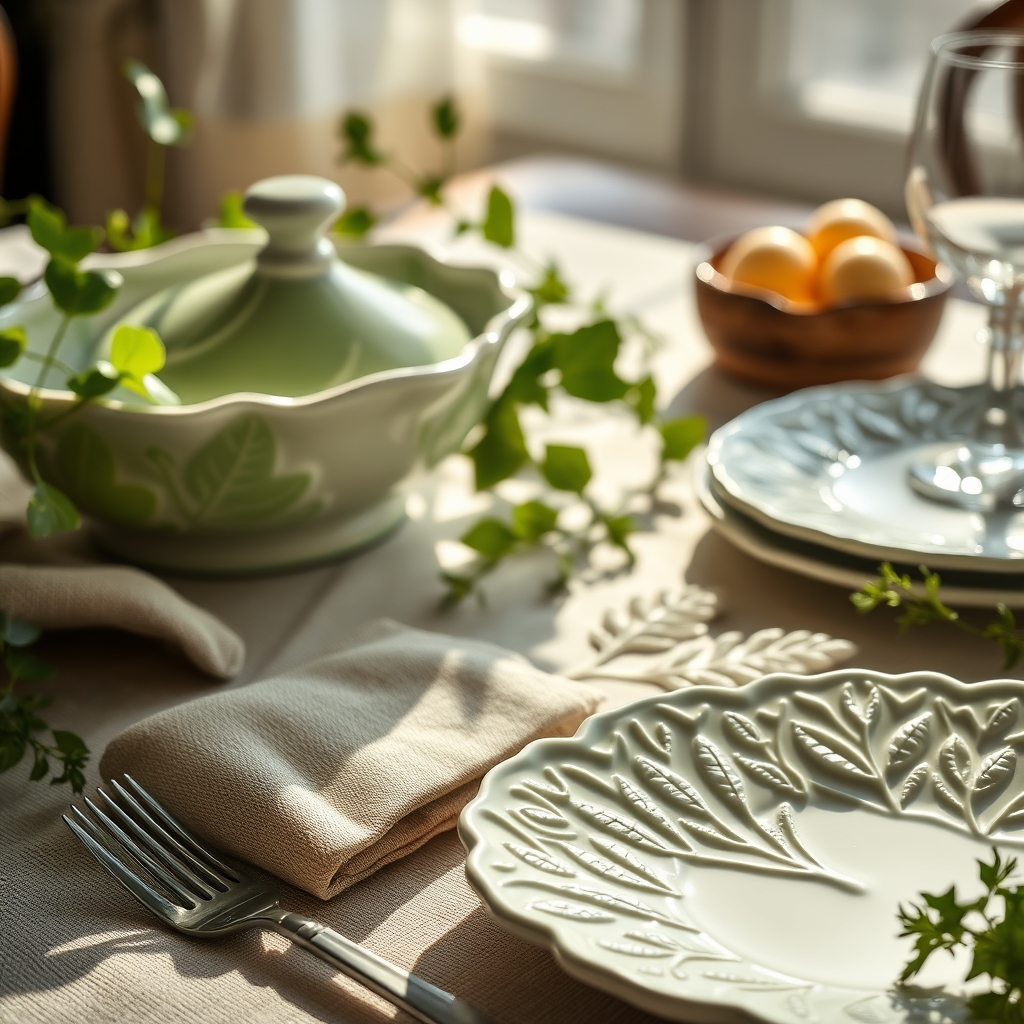
When evaluating vintage, compare pricing to recent auction results. New cabbageware ranges from $50 (planter) to $400+ (artist lamp); originals and signed Dodie Thayer style ceramics can fetch thousands. See regional demand—Asia Pacific leads the global market at 40%+ of revenue, but trend hotspots include US, UK, and Australia.
Still searching for mix-and-match styling ideas? Pair leafy pieces with skirted furniture for a grandmillennial look, or balance a dramatic cabbage lamp with a simple curved sofa. If you’re buying for hospitality—like boutique hotels or restaurants—source through trusted bulk channels, and request a sample first.
Advanced Analysis & Common Pitfalls
Most buyer complaints about cabbagecore decor cluster into a few core categories: shipping damage, disappointing glaze color, planter sizing issues, lamp cord or heat mismatches, and authenticity missteps—especially on high-value Dodie Thayer style ceramics.
| Potential Issue | What to Ask or Check | Best Practice |
|---|---|---|
| Fragility / Shipping Breakage | Is the item double-boxed? Is insurance included? | Insist on thick, custom-fit packaging for all cabbage lamp and planter orders. |
| Color / Glaze Mismatch | Are these actual photos or stock images? Any color edits? | Request new, in-hand photos in daylight. |
| Wrong Planter Size or Drainage | Exact inner/outer dimensions? Drainage hole present? | For plants, always confirm fit with a tape measure beforehand. |
| Lamp Socket / Bulb Fit | Socket type (E26/E27), max wattage, cord length? | Check fixture compatibility to avoid returns or safety risks. |
| Authenticity Doubts | Provenance? Marks? Seller reputation? | Accept only verifiable marks or paperwork for Dodie Thayer style ceramics. |
| High Return Volume | Clear policy? Coverage for seller shipping errors? | Document unboxing and keep packaging for claims. |
Some market segments, especially e-commerce gifting, see higher return rates due to unrealistic photos and rushed shipping. For buyers (and resellers), proper insurance and unboxing video evidence are your best allies. If possible, purchase from sellers who specialize in cabbageware or Dodie Thayer style ceramics, as they provide more expertise and post-sale support.
Planter buyers frequently note regret over undersized pots and absent drainage. For lamps, mismatched electrical standards are a key frustration—always double-check voltage and socket compatibility (US vs EU).
- Vintage and reproduction price bands vary widely—see recent listings to set expectations.
- Rare originals may require condition grading (pristine, minor chip, hairline cracks), which should be explicitly detailed in every listing.
- If shopping internationally, factor customs, VAT, and extra shipping risk into your buying strategy.
Conclusion
Cabbagecore decor is here to stay—market momentum and viral style combine for huge opportunity, but the real wins come when buyers shop smart. Always verify authenticity, scrutinize photos, and don’t be shy about requesting specifics on sizing, electronics, and condition. With a careful approach, cabbageware elevates any space in a way that feels personal, joyful, and entirely on trend.
Ready to buy your next cabbage lamp or lettuce ware vase? Shop mindfully, use the buyer’s script below, and focus on statement rather than excess. For even more vintage sourcing and interior styling guidance, check out our guide to skirted furniture or browse slipper chairs for a complementary look.
Your next cabbagecore decor find might just end up the highlight of your home—or the gift they’ll never forget.
FAQ
What’s the difference between cabbageware and Dodie Thayer style ceramics?
Cabbageware is the general term for any ceramics shaped like cabbage/lettuce leaves, while Dodie Thayer style refers to the iconic, high-value pieces by the Florida artist or faithful reproductions inspired by her signature look.
How can I tell if a cabbage lamp is vintage or a modern reproduction?
Check for authentic maker’s marks or artist signatures, inspect the glaze (vintage often has crazing, reproductions are uniform), and compare the weight—a true vintage piece will usually feel heavier. Request a photo of the cord and socket for signs of age.
Are these ceramics safe for food or just for decoration?
Most modern cabbageware is food-safe, but always check for intact glaze (no cracks or chips) and ask the seller to confirm. Vintage and artisanal items are usually best reserved for serving dry foods or for display only.
How do I clean and care for cabbagecore ceramics?
Hand-wash with mild soap—never use a dishwasher or expose to sudden temperature changes. Avoid soaking, and don’t plant directly into cabbage planters without using a pot-in-pot technique to prevent stains or cracks.
Where can I find reliable sellers or examples of high-quality cabbagecore pieces?
Trustworthy places include vintage markets, specialist online dealers, and small makers on marketplaces like Etsy. Internal marketplaces like Spatial Zen offer curated finds and buying checklists for decor enthusiasts.